Fifteen things I built outside the day job. Each takes a system that is usually explained with a diagram and turns it into something you can play with. All open source, all running in a browser tab, none needing an account.
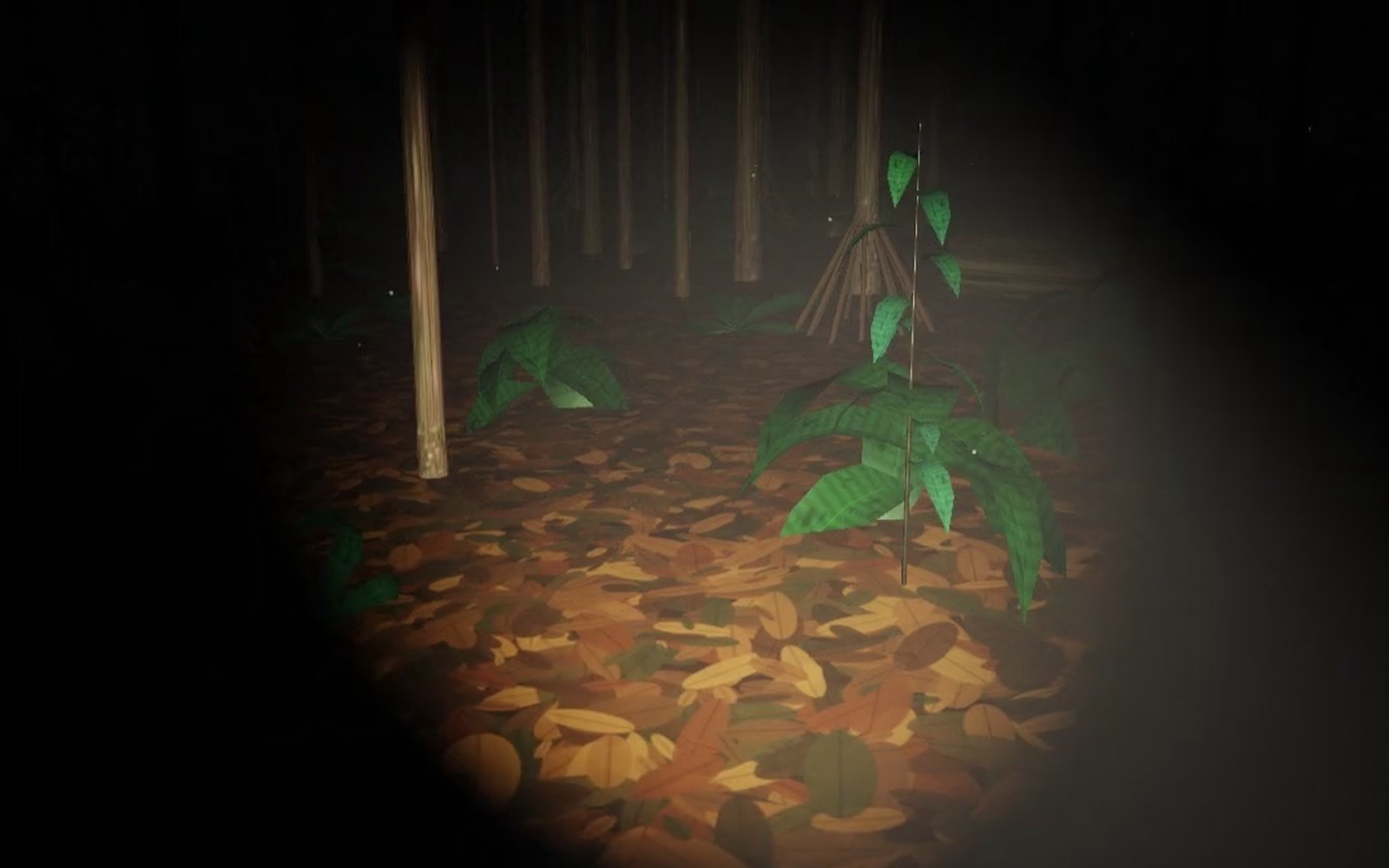
You stand in lowland rainforest at Yasuní, in Ecuador, as the light goes. Your torch shows a cone of wet leaves, trunks and mist, and everything else is black and full of sound. Eyes shine back at you in the colour each animal's eyes really shine. The whole night, 17:45 to 06:25, plays in about ten minutes. Every animal in it has a record from this forest, sits at the height it really lives at and is out at the hours it is really out. Most of them you will only hear.
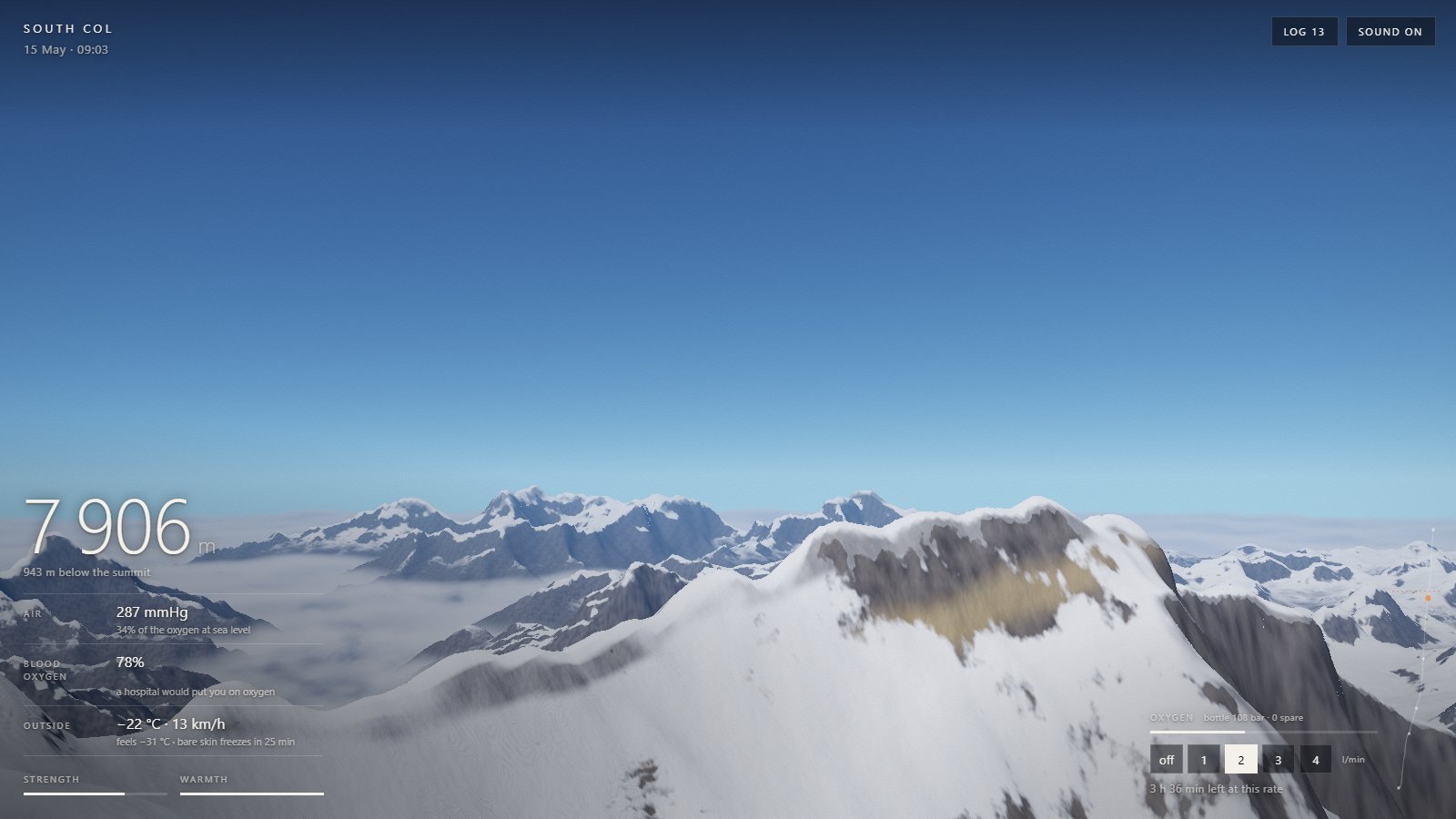
You climb from Base Camp to the summit by the South Col route, on a mountain built from satellite elevation data. There is one control: hold to climb, let go to breathe. The barometer, your blood oxygen, the wind chill and the gauge on your oxygen bottle are worked out from published formulas and pinned to measurements taken on Everest. You can reach the top. You can turn round a hundred metres short of it and walk away. You can also not come down.
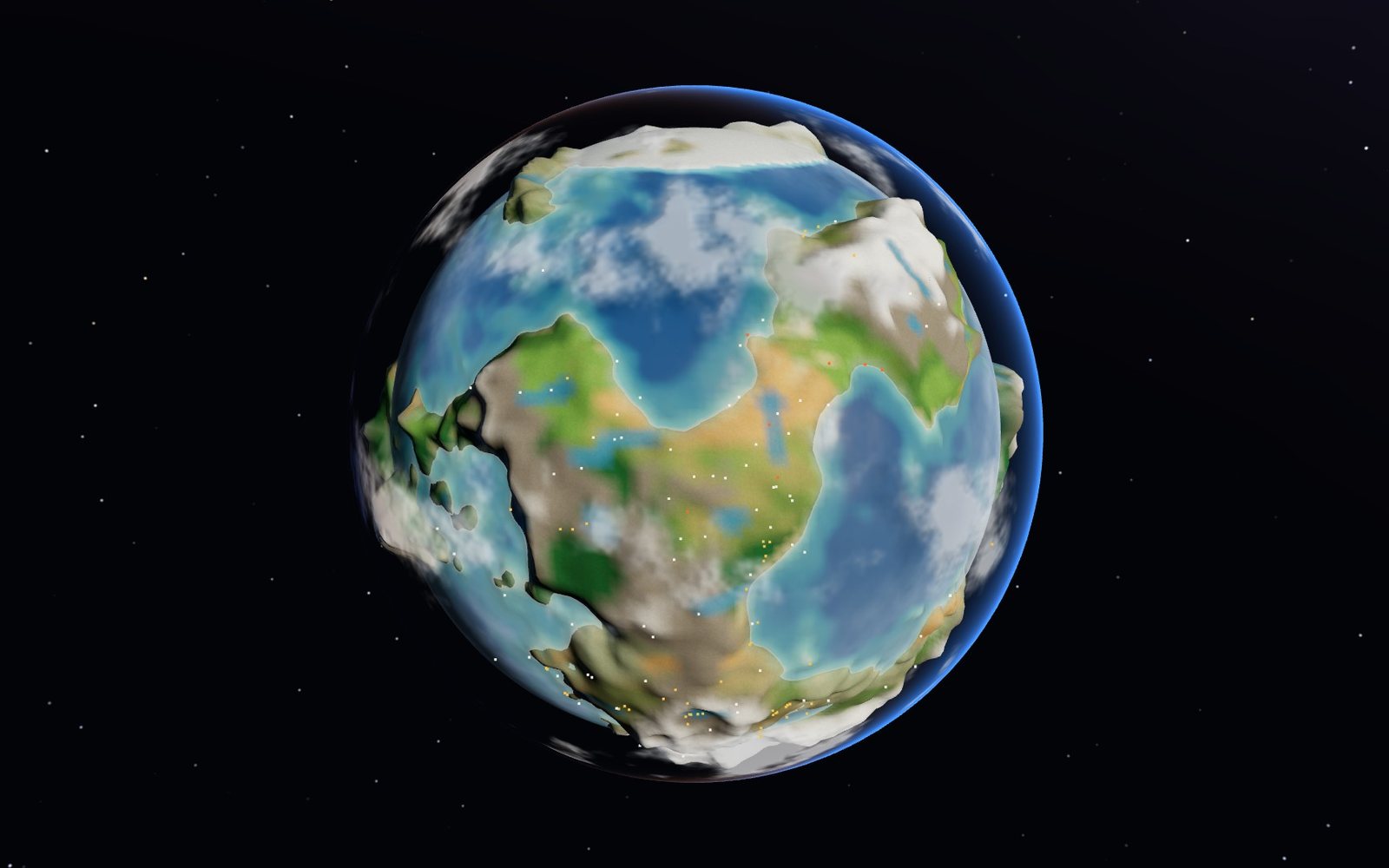
It starts with water, plants and nothing else, and every creature that will ever live on it is one you set down. Each carries its own small neural network that decides where it goes, what it eats, whom it follows and what it runs from, and children inherit their brains from their parents. One kind, the kith, hold beliefs, pass them on, invent things and name them. You can take a body of your own, walk among them and find out what they make of you.
Kinds of creature
7, in 3 tiers of mind
Alive at once
Up to 800
Brains
One network each
TypeScript · three.js · WebGL2 · neural networks from scratch
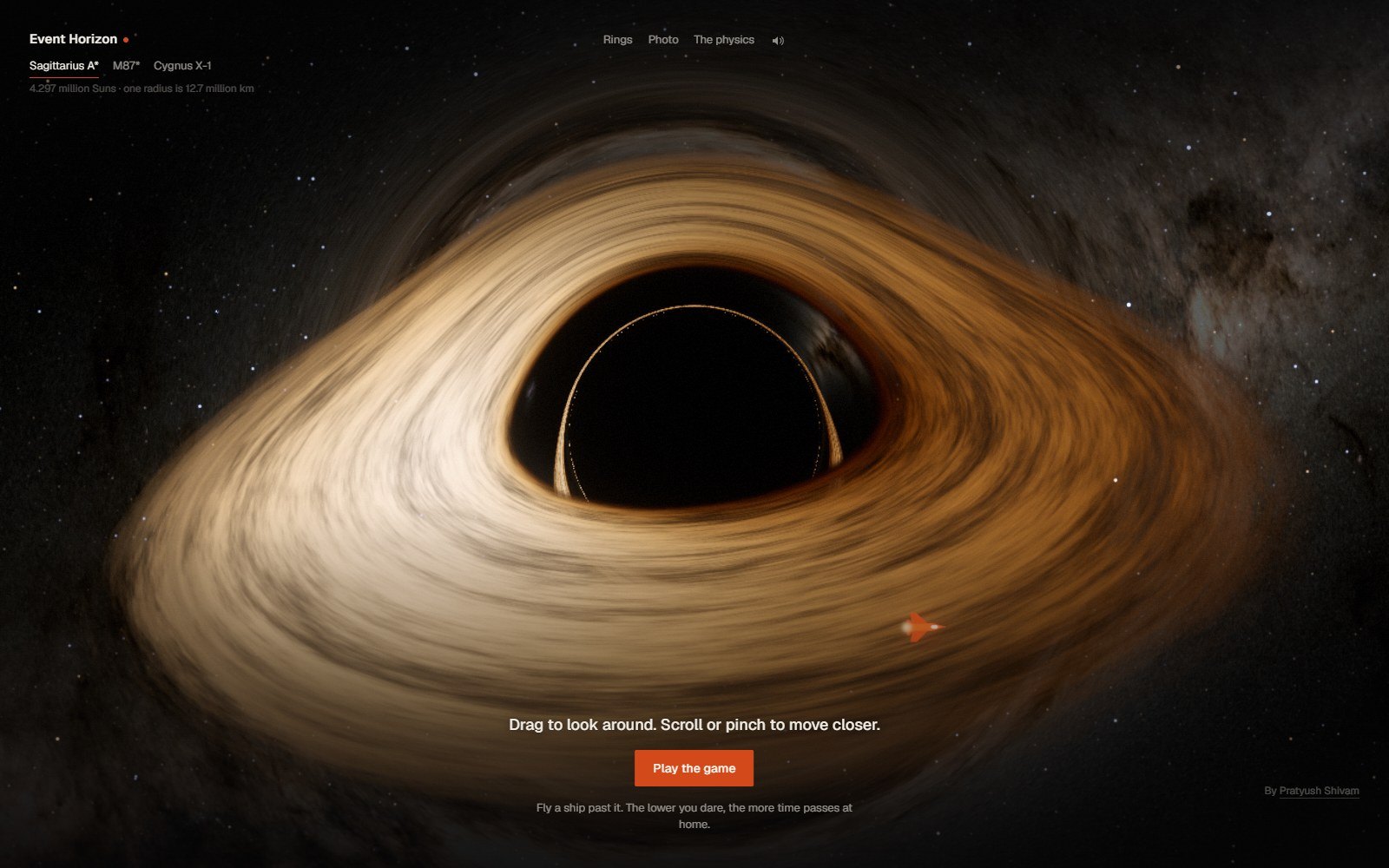
For every pixel of every frame, a ray of light is followed backwards through curved spacetime on your graphics card, so you see what a camera there would see: the shadow, the ring of light, the disk bent over the top. Brake and you fall closer; the lower and faster you fly, the slower your clock runs against Earth's. Climb back out and it tells you how much time went by at home.
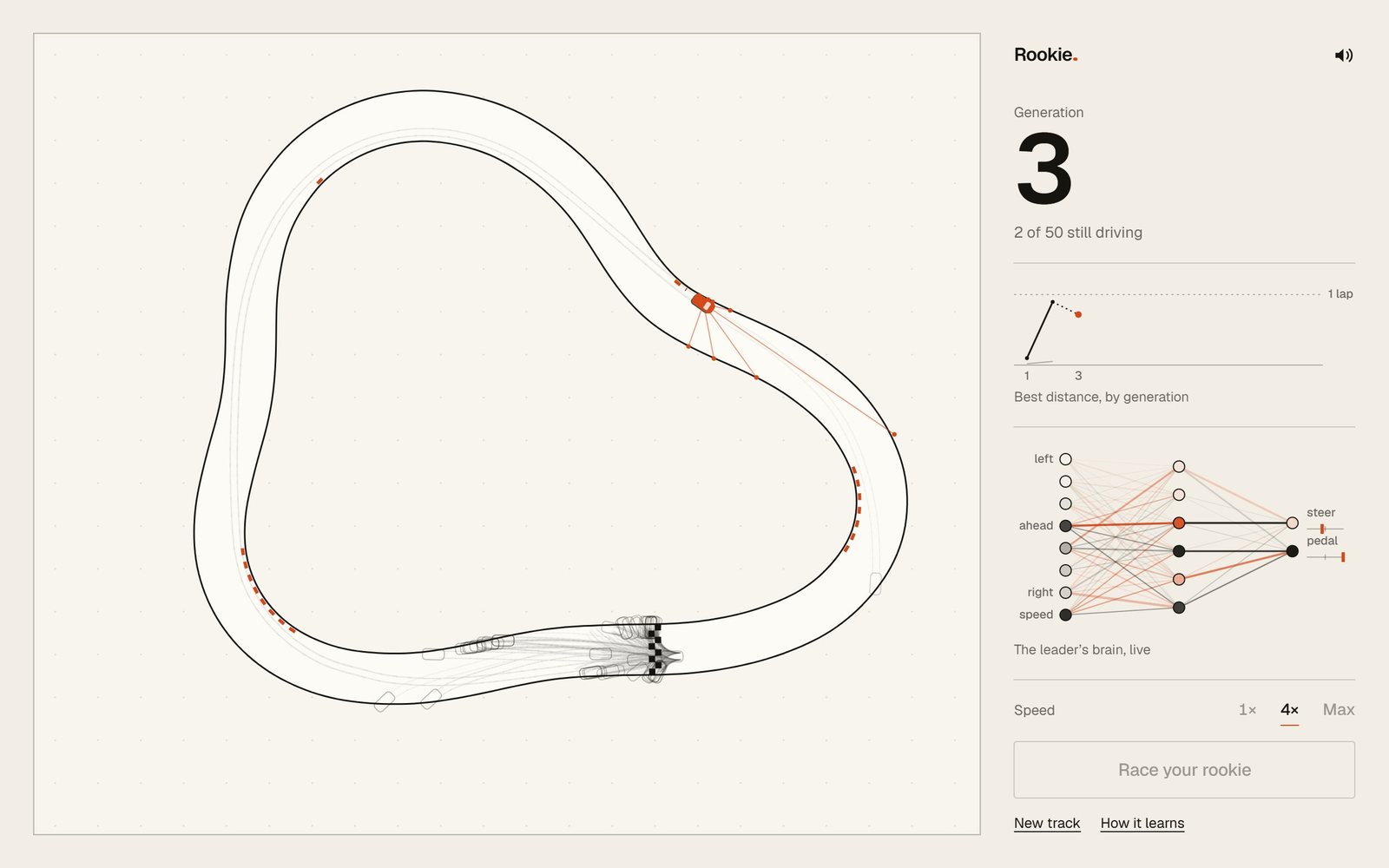
You drag one loop and it becomes a road. Fifty cars line up, each with a small brain full of random numbers, and drive into the walls. The ones that got furthest are kept and bred, and within a few generations one laps cleanly. Then you race the driver you trained, and the link you share carries both the track and its brain.
Cars per generation
50
First clean lap
Median generation 6
Size
About 58 kB
TypeScript · neuroevolution from scratch · 2D canvas
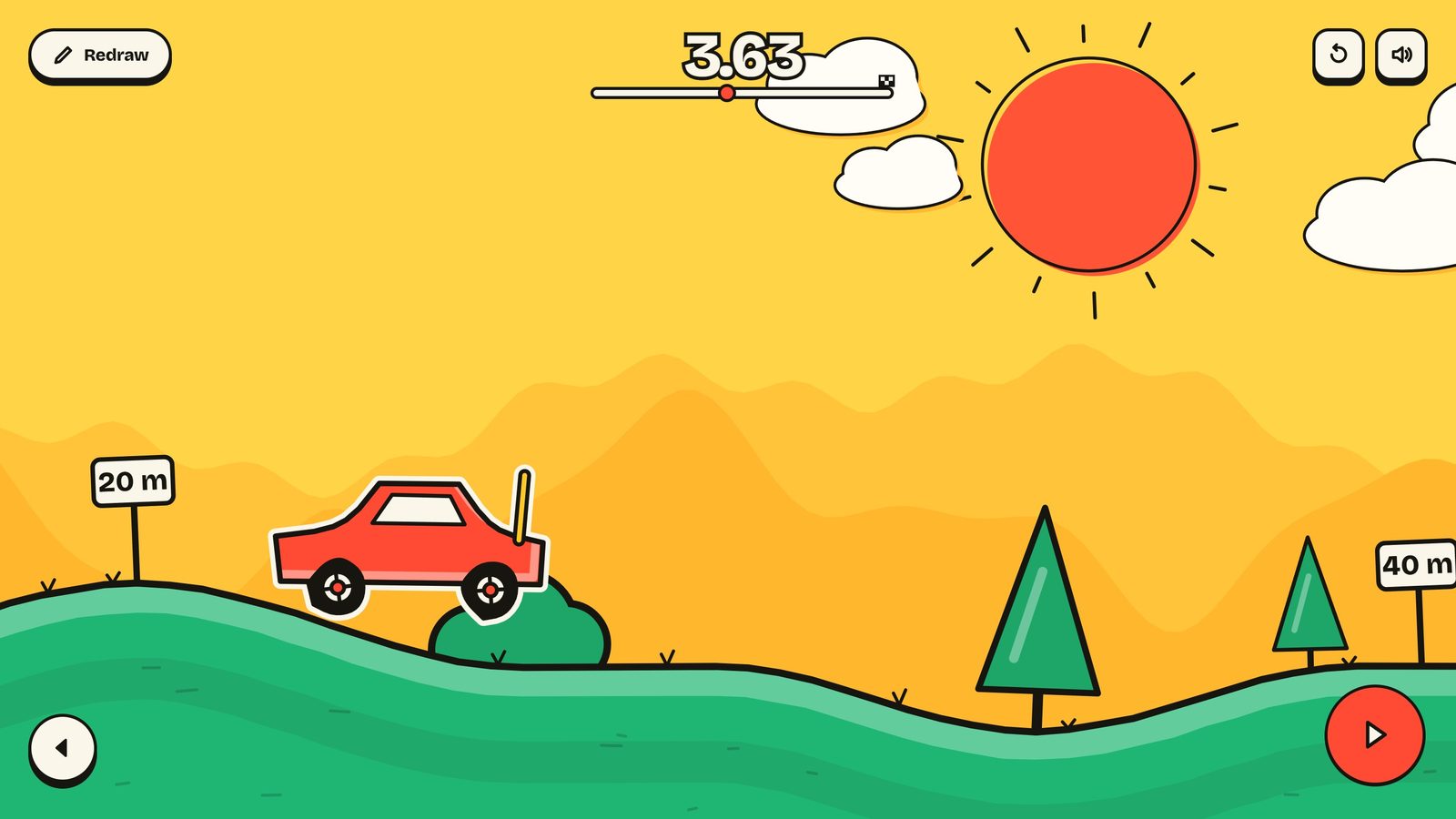
Whatever you draw becomes solid, anything round becomes a wheel with a motor in it, and your drawing has to cross hills, steps and wobbly planks to reach a flag. Good drawings get there. Bad drawings are funnier. The hard part is turning a wobbly finger stroke into shapes a physics engine can simulate.
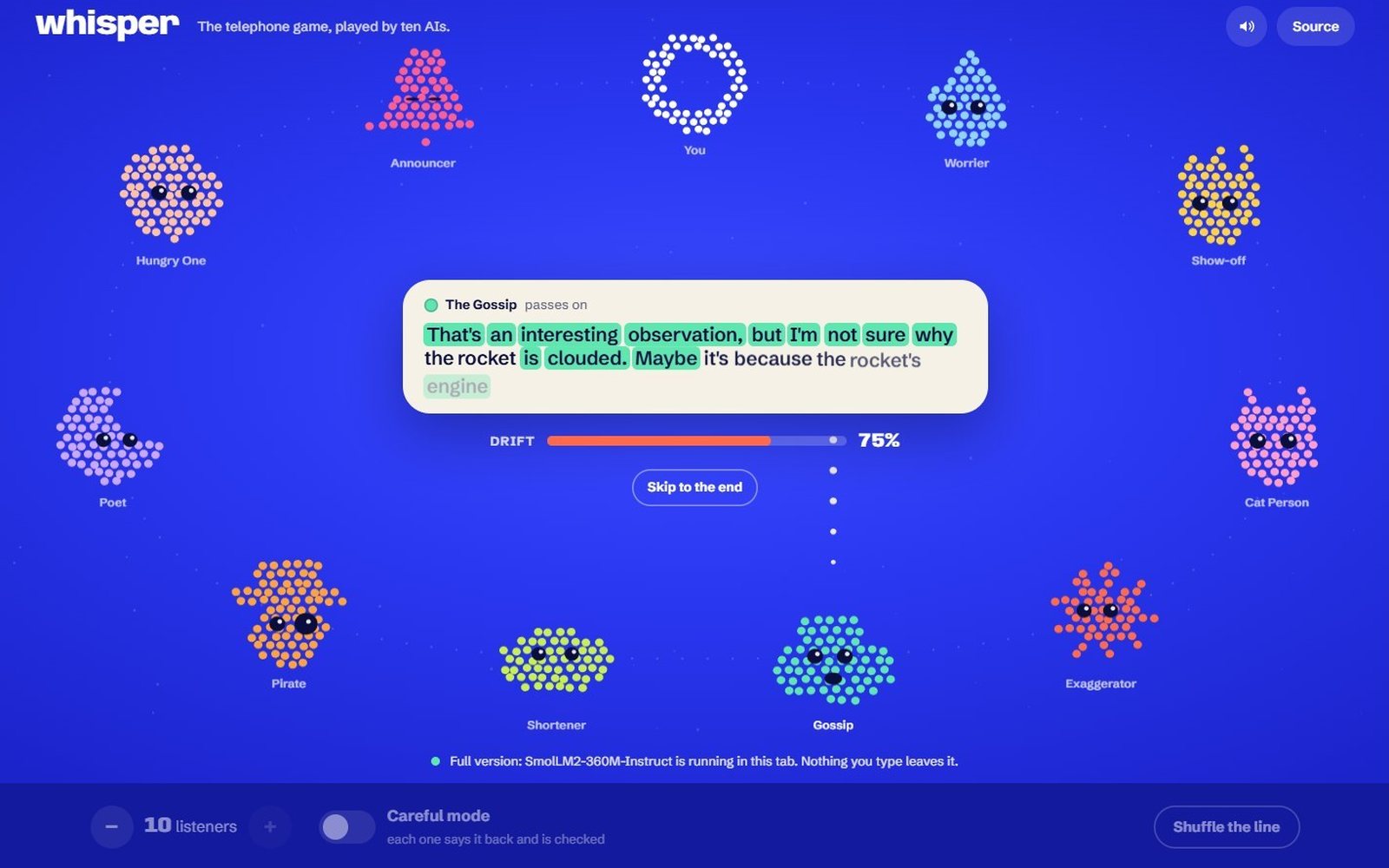
You type one sentence and a small language model passes it along a line of ten listeners, each with a personality: the Worrier, the Show-off, the one who is sure it was about a cat. No single step ruins it, yet it arrives wrong. That is what happens when AI agents hand work to each other, and careful mode shows what checking at each hand-off buys you.
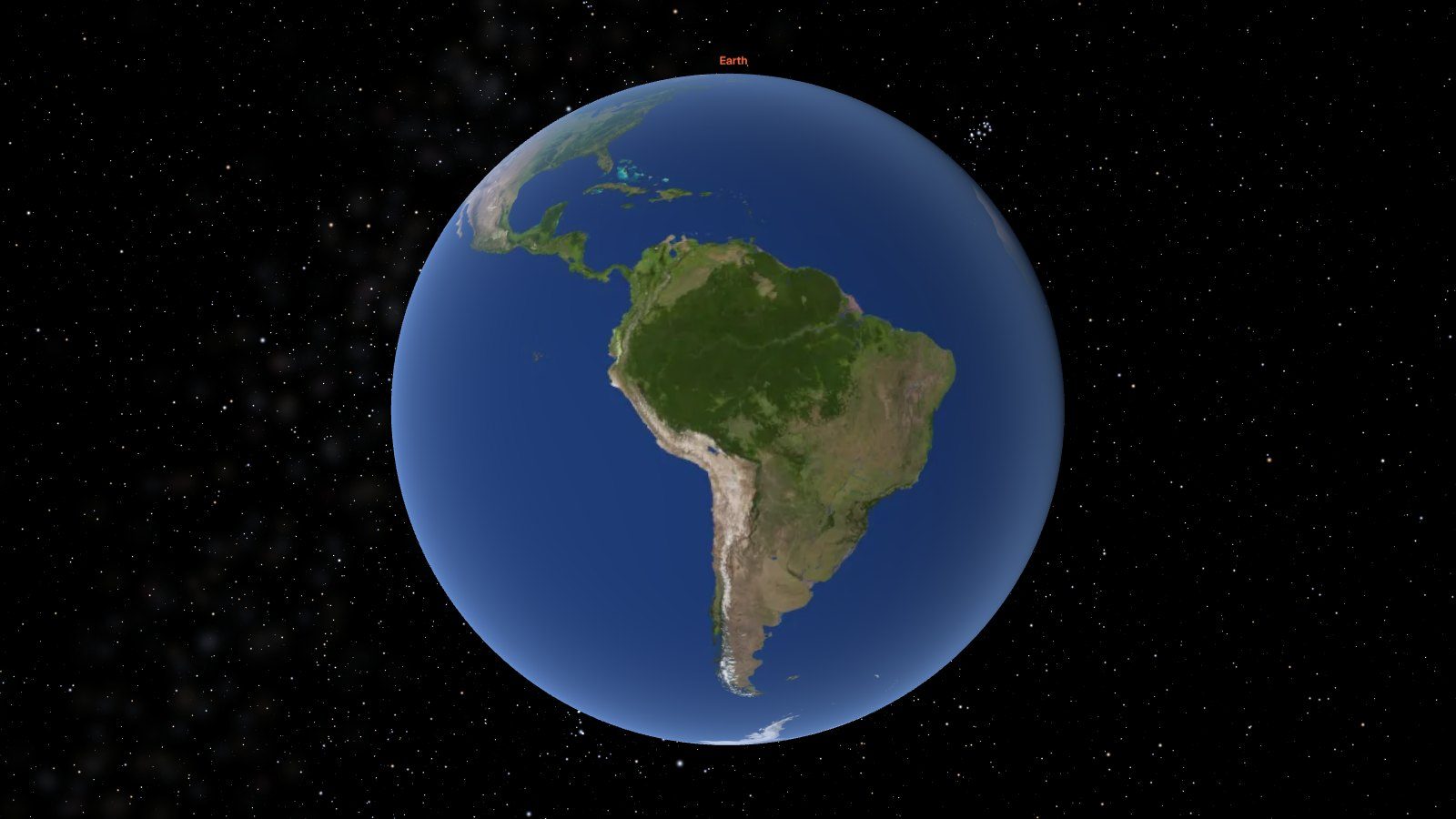
You start a few thousand kilometres above Earth and scroll out in one unbroken motion, past the Moon, the planets, the nearest stars and the Milky Way, to the edge of the observable universe. Every size and distance is real, the planets are where they are today, and the stars and galaxies come from real catalogues.
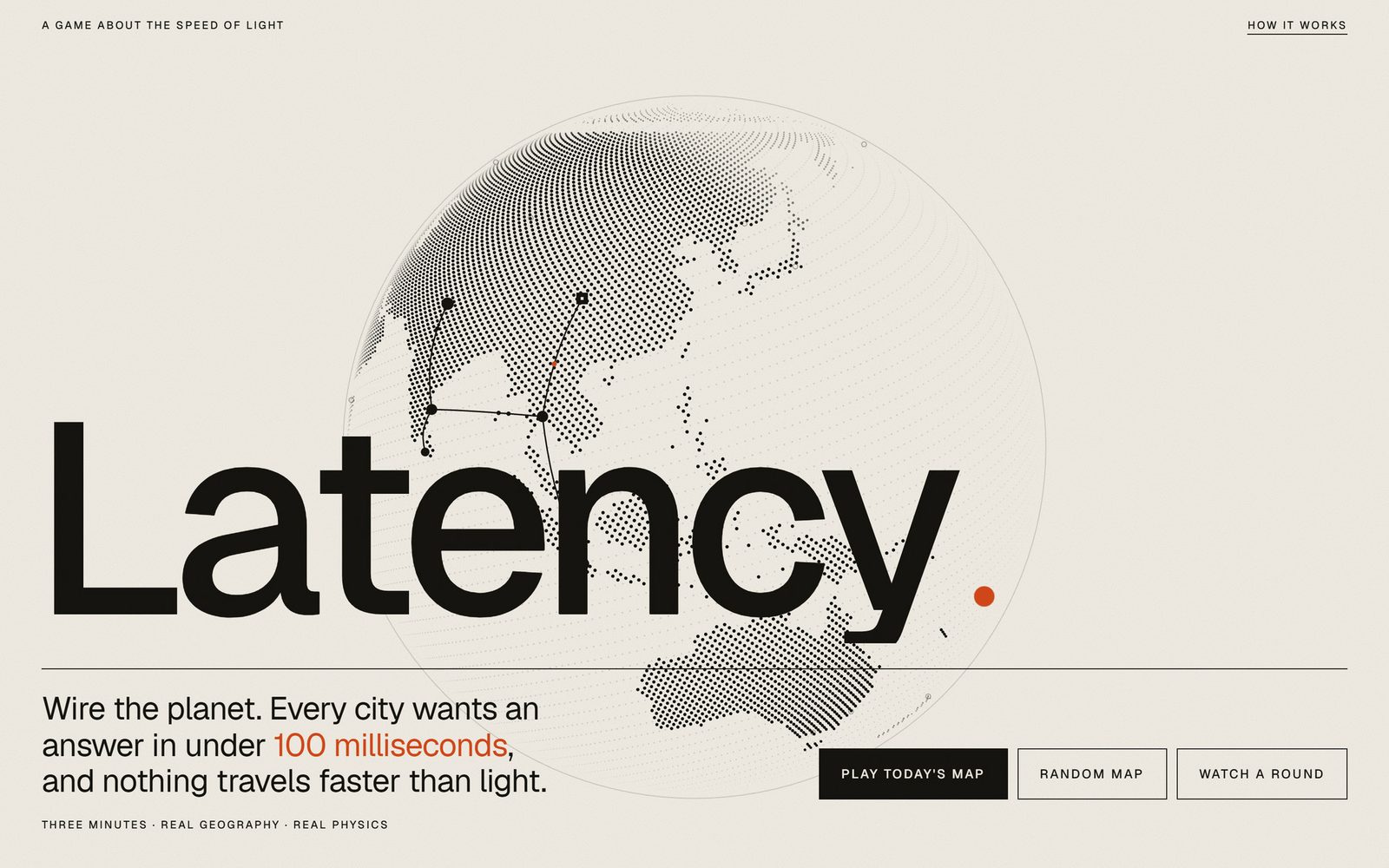
Cities light up and ask for service. You place data centres and lay cables so every city gets an answer in under 100 milliseconds. Signals travel at the real speed of light in fibre along great circles, so 100 ms buys 10,210 km and no more. The whole game follows from that one fact.
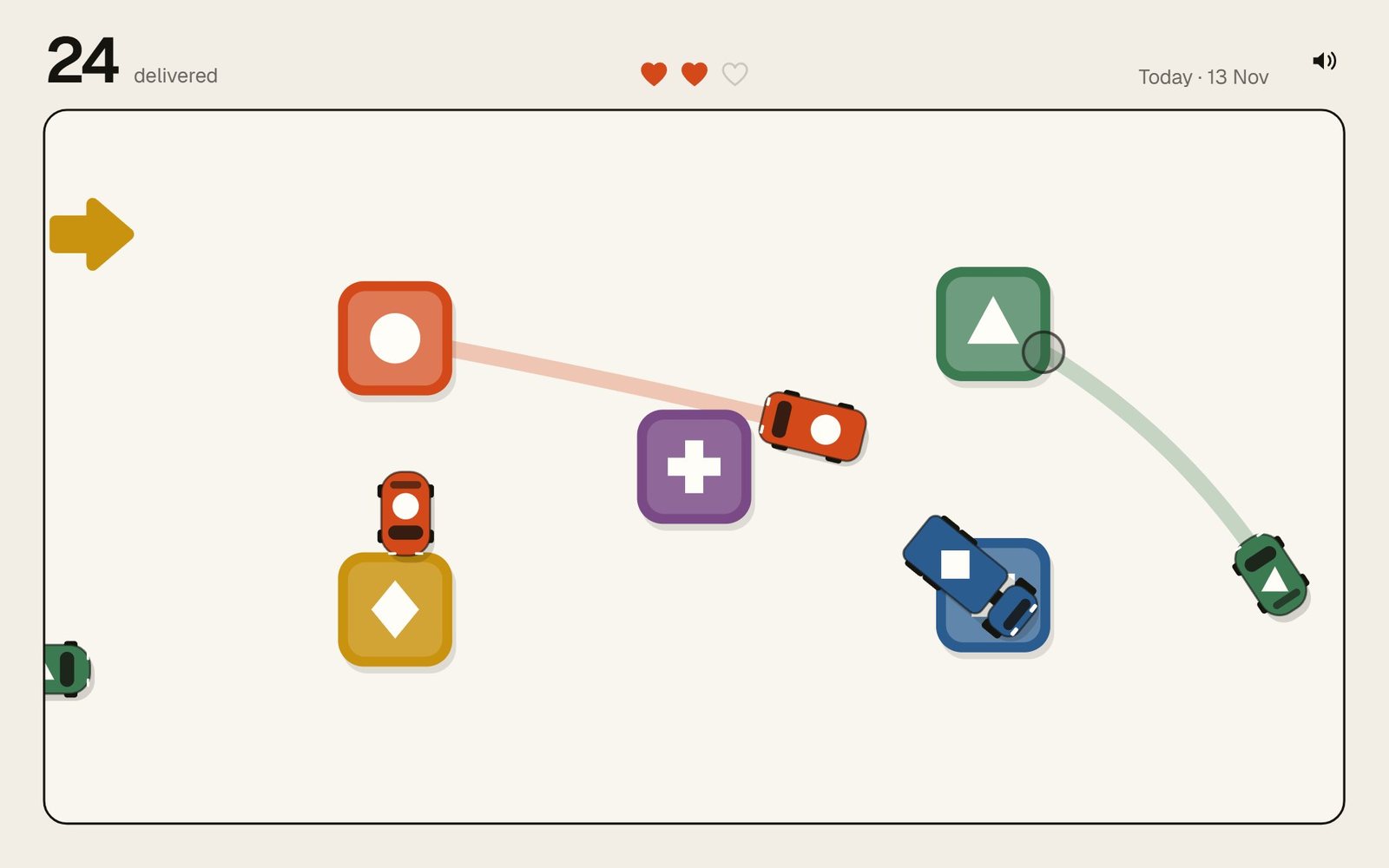
Cars, vans and trucks drive into a yard from all four sides, and each belongs in the garage of its own colour. Press on one and drag a line; it follows it home. It starts calm, then a third garage opens, the trucks arrive and the gaps shrink. Every garage also has a shape, so it never depends on telling colours apart.
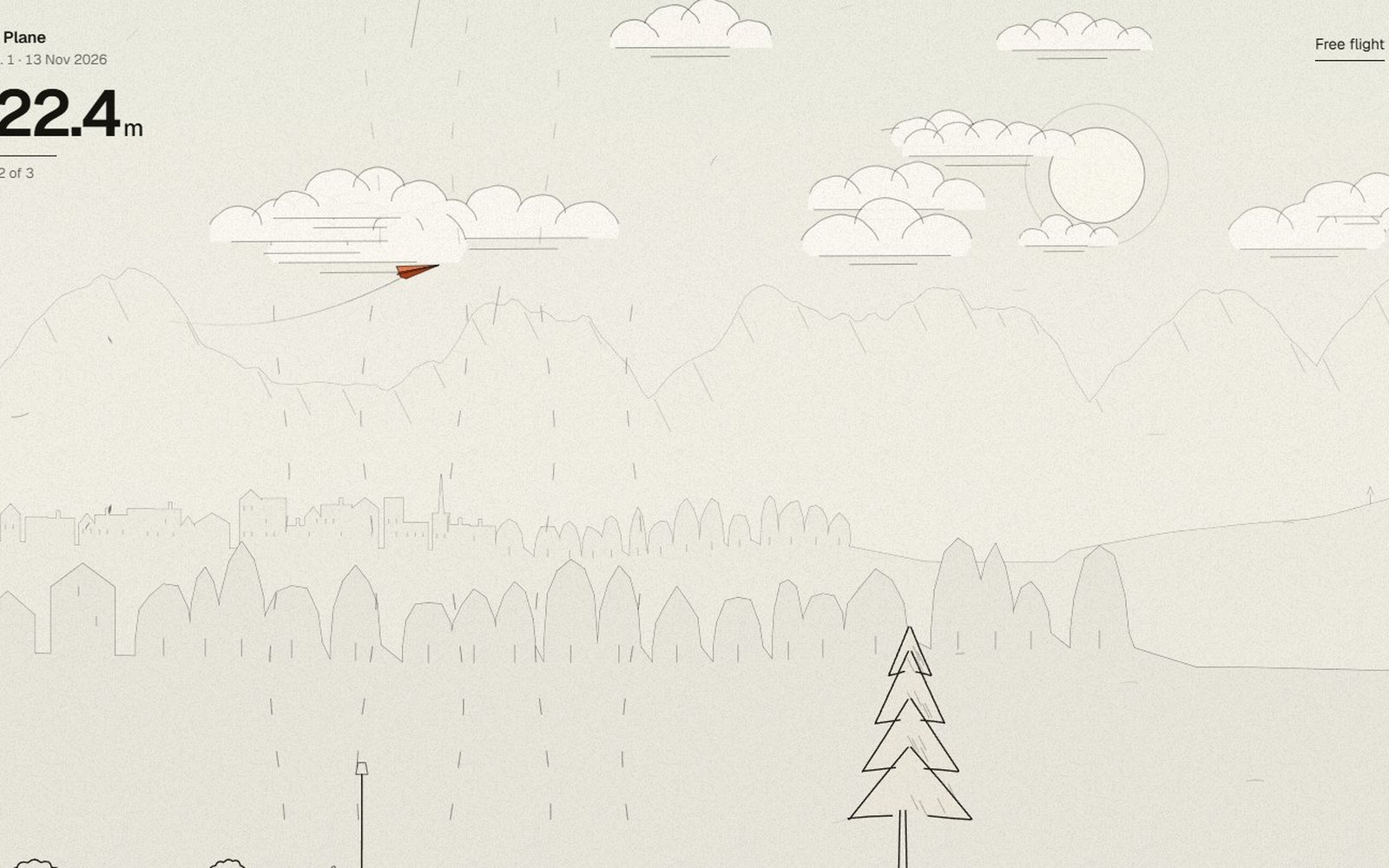
A paper plane, a top-floor window and a long hand-drawn world of rooftops, a park, a river and hills. One gesture throws it, and after that the air decides: wind, warm air rising off sunny roofs, cold air sinking over the water. There is one sky a day, the same for everyone, so a distance means something.
Throws
3, best counts
Sky
One a day
Script
About 29 kB
TypeScript · glider flight model · canvas · WebAudio
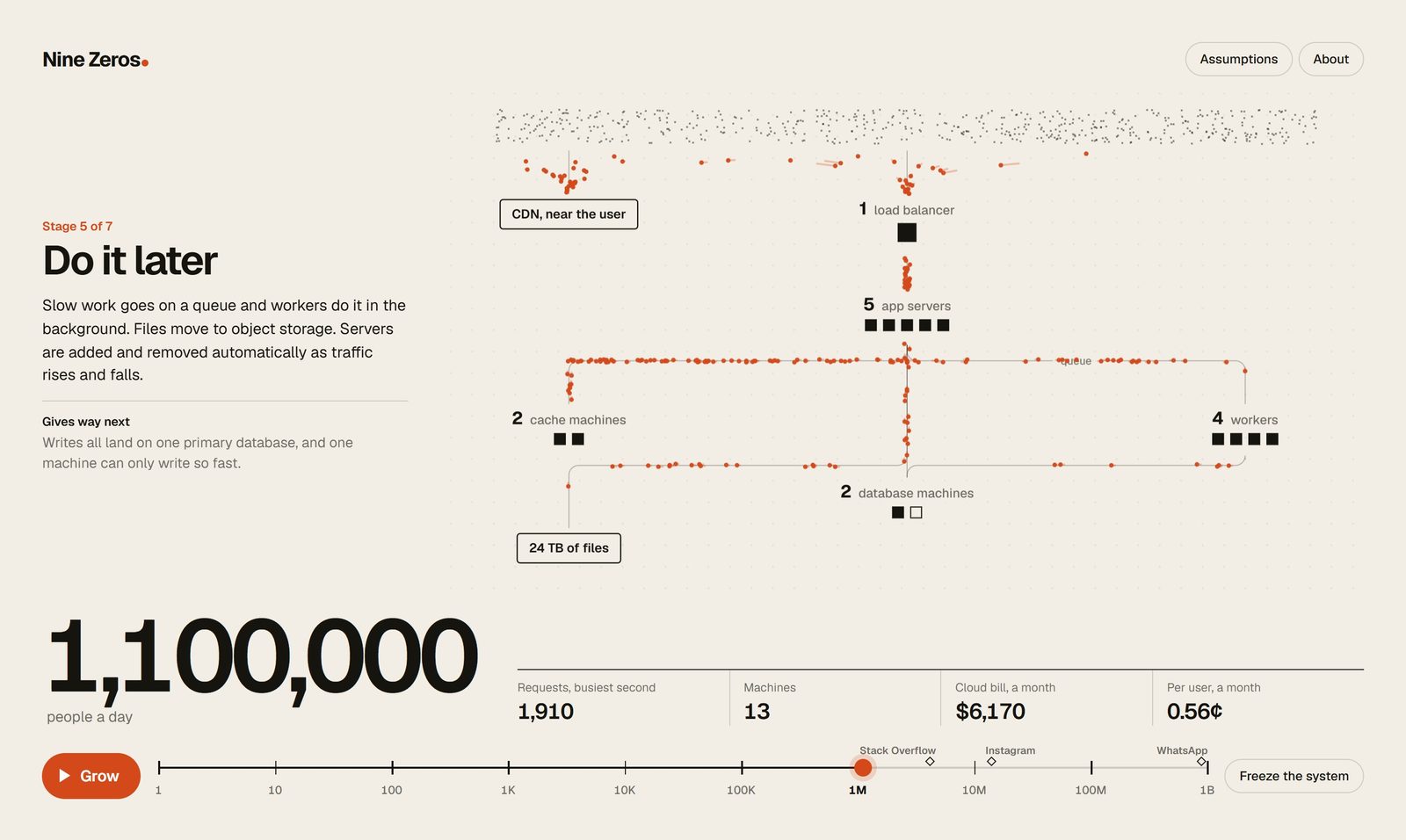
One slider, from one user to a billion. As you drag, the system redraws itself: one small server becomes a load balancer, a cache, a queue, shards and regions, with the monthly bill and cost per user beside it. Freeze the system and keep adding users to watch it slow down and fail.
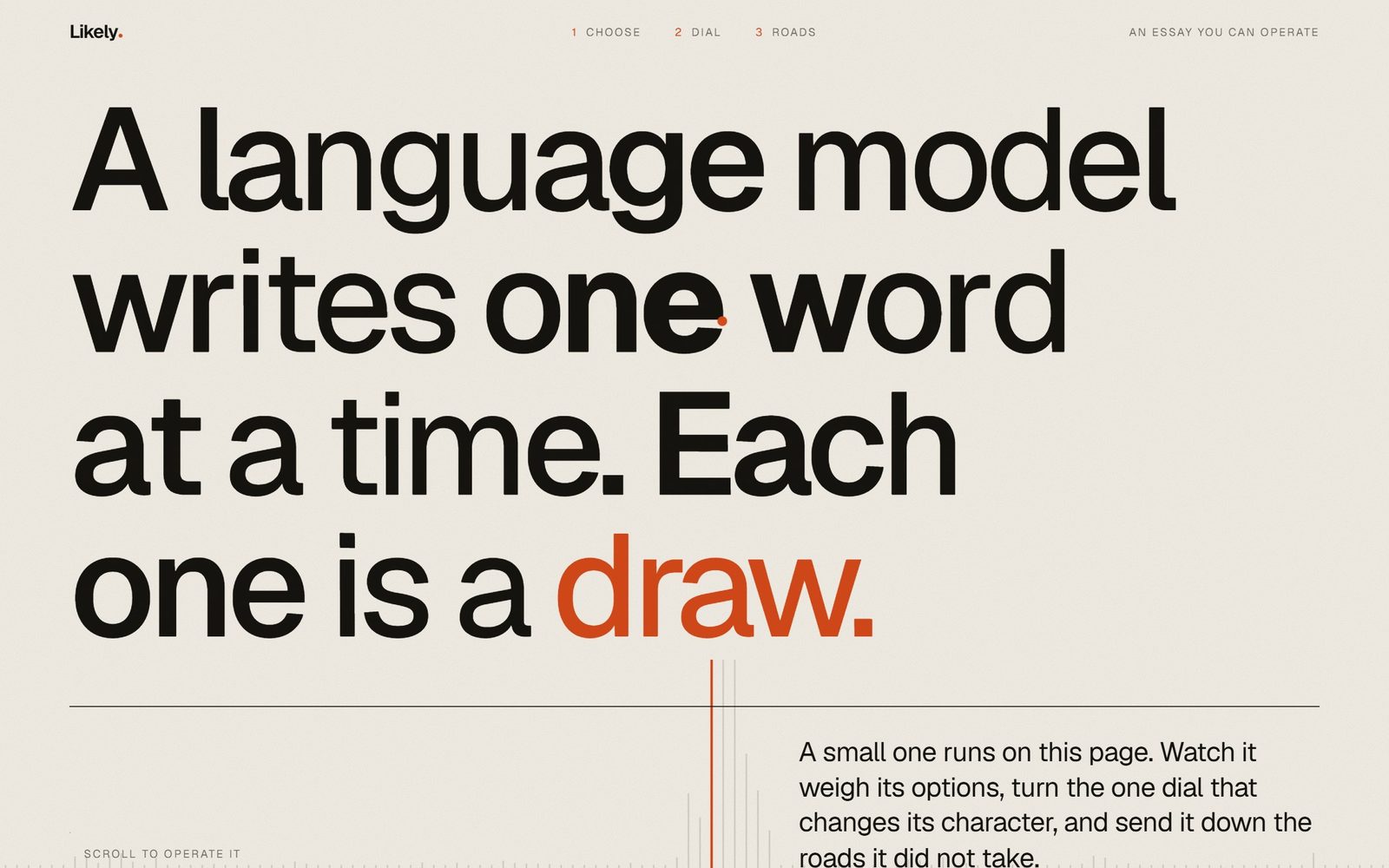
A real language model runs in your browser and shows the odds it gives every next word before it picks one. Turn one dial to bend those odds, or click any word and follow the sentence that was never written. Nothing is mocked and your text never leaves the page.
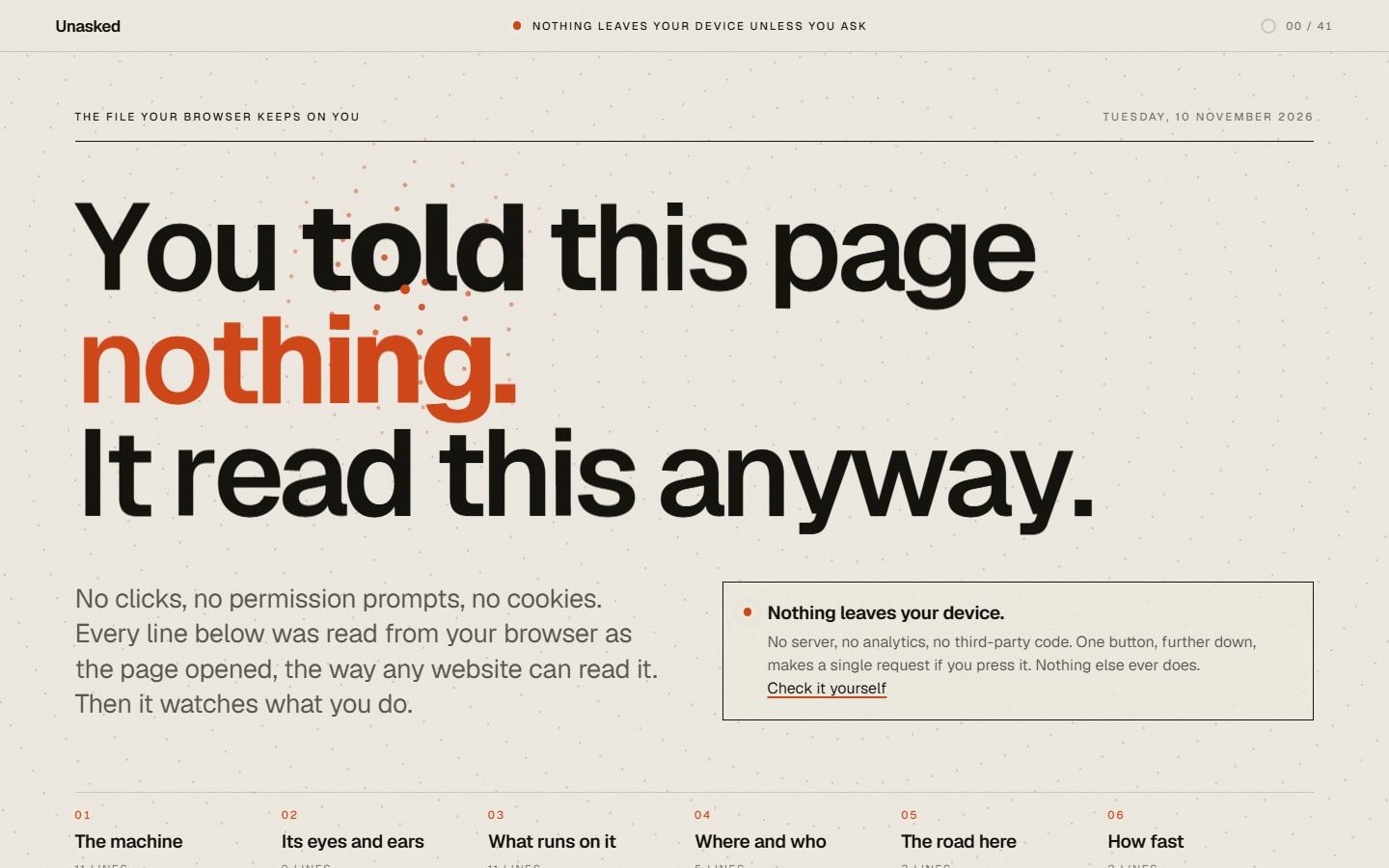
With no clicks and no permission prompts, the page writes out 41 plain sentences about you: your machine, your software, where you are and how you got here. Every line turns over to show how it was found and what reduces it. All of it is worked out on your own device.
One page for the day's blockchain news, read every hour from the outlets that report it and linked straight back to them. Nothing is picked or ranked by hand. Pieces I write are marked From the editor. One script, no backend, and it costs nothing to run.